
Local SEO is the secret sauce helping stores, restaurants, and clinics get found by nearby customers online. In a world where almost everyone searches for goods and services with their phones, showing up in those local results makes a real difference.
If you run any business anchored to a neighbourhood, local SEO should be one of your first online concerns.
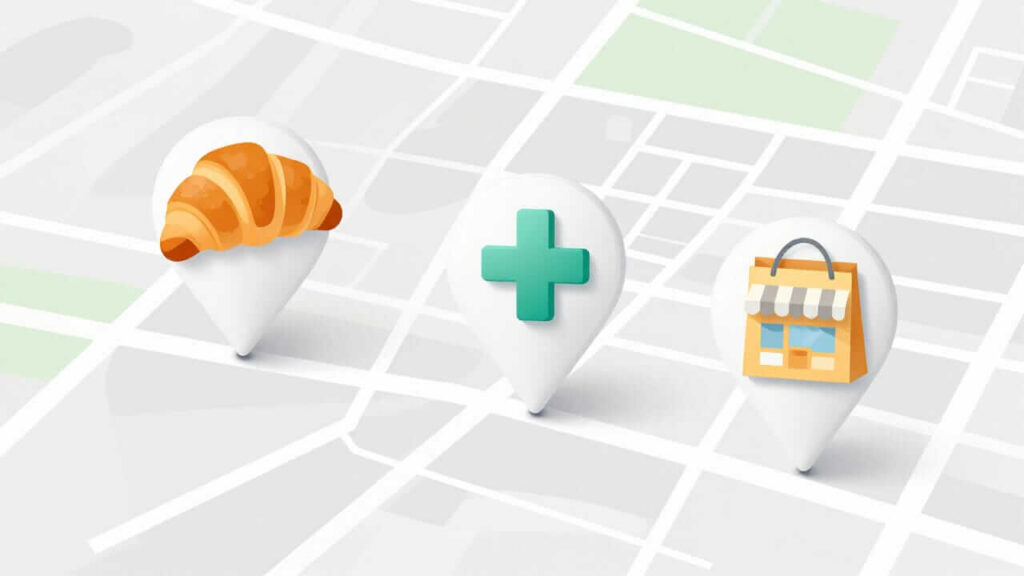
Local SEO (search engine optimization) refers to specific online strategies focused on improving a business’s visibility in local search results. Imagine you run a bakery in Ottawa. When someone nearby types “best bakery near me” or “fresh bread Ottawa,” search engines try to show them relevant places in their neighbourhood.
Local SEO boosts your chances of appearing in that shortlist.
Most people looking for a service visit a store within a day of searching for it online. These searches often lead directly to purchases, making local SEO a powerful tool for small and mid-sized businesses.
Local SEO works by fine-tuning your business’s online profiles, website, and map listings so that people can easily find you when they search for local options. This involves adding the right keywords (like “best sushi montreal”), making sure your business hours and location are correct, and gathering positive reviews.
Your business can also show up in the “map pack” that is the boxed section with a mini map and three or so business listings. Appearing in this spot helps you get noticed by people who are ready to visit now. A BrightLocal survey found that nearly 80 percent of local mobile searches result in offline purchases.

Google My Business (now Google Business Profile) is usually at the heart of local SEO. Claiming and updating this listing regularly is one of the most effective ways to get started. Tresseo recommends businesses maintain accurate hours and respond to reviews promptly, as these small touches increase trust with both Google and your customers.
Local SEO came into focus when search engines realized people wanted results that match their location, not just general answers. Early on, results were the same no matter where you searched from. Today, search engines use your device’s location to deliver the best matches around you. This switch to location-aware results has changed how businesses compete online, levelling the field for local businesses.
Any company serving customers in a specific geographic area needs local SEO. Restaurants, dental clinics, plumbers, pet groomers, and retail shops top the list. If your business depends on drawing customers from the community, not the entire planet, optimizing for local search results is key.
Local searches on Google have local intent, meaning the searcher wants to find things nearby. If you have a storefront, ignoring these local queries means missing out on a big chunk of potential business.
If you operate multiple locations or mobile services, you also need local SEO. Delivery companies, cleaning services, and real estate brokers all serve certain zones or cities, so their online listings must reflect where they work. At Tresseo, we see many home-based businesses grow their customer base quickly just by updating their location details and collecting a few positive client reviews.
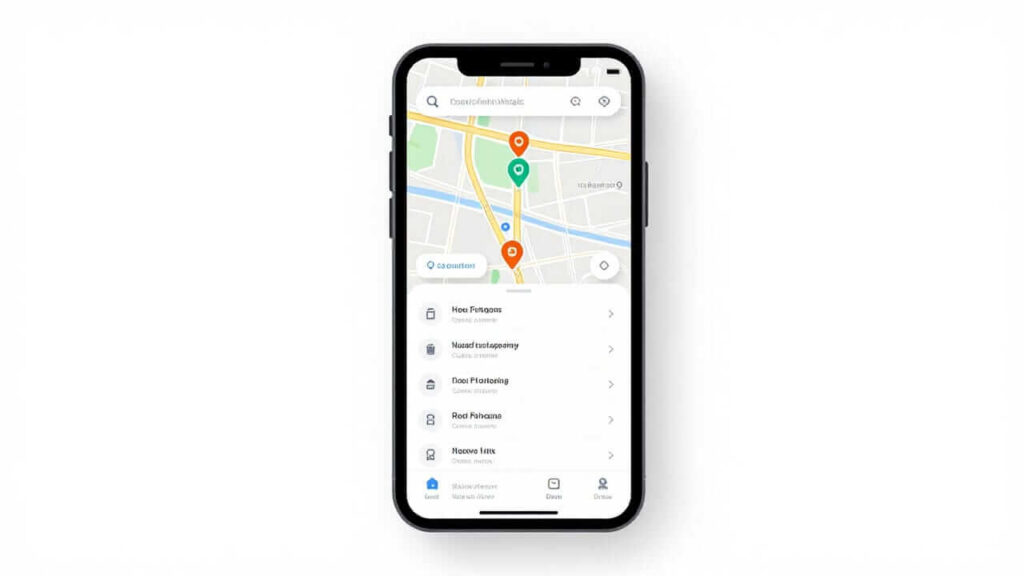
Being easy to find online means more foot traffic, more calls, and higher sales. When someone is hungry and searches for pizza, they usually visit one of the top results nearby. Local SEO places your business in plain view so people can visit or call you with a single tap.
One important feature of local SEO is NAP consistency. NAP stands for Name, Address, and Phone number, ensuring all match across the web. Search engines trust your details more when every listing, from your own website to online directories, is identical. Inconsistent information can mean lower rankings or even being left out of results.
Local SEO is also valuable for building up online reviews. Beyond star ratings, customer comments give people the confidence to try your services.
To take part in local SEO, businesses need more than just a website. Your site’s technical setup, how fast it loads, if it’s mobile-friendly, and a secure HTTPS connection, all impacts whether you get featured in search results. Think of your website as a shop window. If it’s cluttered, slow, or hard to enter, people (and search engines) will pass by for a cleaner, easier place.
Schema markup is another core technical term. This is a special kind of code added to your website that helps search engines better understand your details, like your address, hours, and customer ratings. It works like a label on a package, making it easier for Google to know what you offer.

To get started with local SEO, businesses should:
Link building (getting other reputable websites to mention or link to your business) helps, too. Think of it as word-of-mouth for the digital age. If the local chamber of commerce or community groups link to you, search engines see your business as trusted.
Local SEO connects businesses with nearby customers exactly when they’re ready to buy or visit. By refining your website’s technical details, keeping your information accurate, and gathering honest reviews, you put yourself front and centre in your community. Local SEO is much more than a digital afterthought. It is the modern shop window that welcomes in new faces every day.
If you hope to stand out on neighbourhood searches, taking small steps like updating your profiles or tweaking your website pays off. The rewards are clear: more visits, more calls, and more chances to build lasting relationships. Every thrift store, flower shop, and dental office has the opportunity to shine, and local SEO is how you turn browsing into business.




Copyright © 2022 - 2026. Tresseo. All rights reserved.