
A/B testing is a practical way to discover what really works best on your website.
If you own a site or manage digital content, you may wonder how to improve your users’ experiences and achieve your goals.
A/B testing can answer those questions by letting you directly compare two options on your webpages. This method helps countless website owners refine their content, increase conversions, and create a more satisfying outcome for visitors.
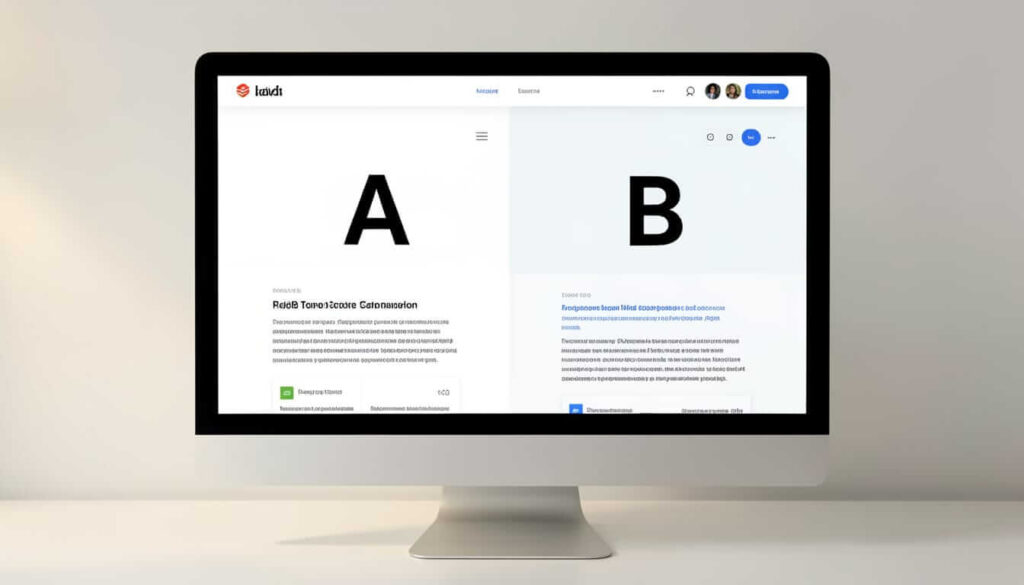
You can think of A/B testing like a baking contest. If you want to find the best cookie recipe, you would give half your friends cookie A and the other half cookie B, then ask which one they liked better.
A/B testing works the same way. You show two versions of a webpage to different groups of visitors at the same time. Everything else stays the same except for one change, such as a button colour or a headline. Then, you measure which version does better based on a clear result, like clicks or purchases.
This method first emerged in the marketing field in the early 2000s, gaining popularity as websites began using data to guide improvements. Nowadays, A/B testing is a leading standard for website optimization. According to HubSpot, companies that use A/B testing improve their conversion rates by up to 49% compared to those who do not.
Testing changes before making permanent updates helps avoid costly mistakes. For instance, if you redesign your homepage without testing, you might unknowingly turn away visitors. With A/B testing, you rely on real behaviour instead of guesswork.
Businesses and non-profits alike value A/B testing. E-commerce brands, news sites, service providers, and educators use it to clarify what works best. At Tresseo, we recommend regular A/B testing to many clients because it consistently leads to higher engagement and satisfaction.
In addition, A/B testing supports a data-driven culture. Rather than trusting only your instincts, you can build your decisions on measurable facts.
In a global market where online visitors may come from many countries, small details can have a big effect. For example, VWO found that changing a call-to-action button from green to blue can boost sales by over 21%.
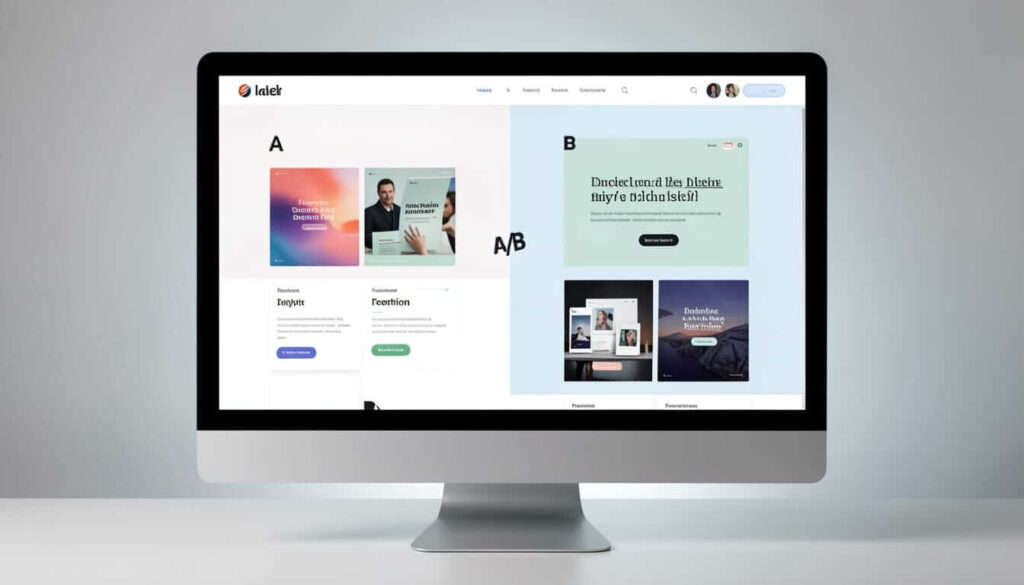
One major strength of A/B testing is its clear impact on website performance. For example, an online retailer may test two checkout page designs. After a week, version A has a 2% completion rate, while version B rises to 2.7%. That increase can make a powerful difference, especially with thousands of visitors each month.
When businesses focus on growing their email lists, A/B testing subject lines can lead to much higher open rates. According to Campaign Monitor, a personalized subject line change using A/B testing improved email opens by nearly 26%. This applies well to brands like Tresseo, whose clients often seek new ways to stand out in crowded inboxes.
The most frequent A/B tests include changing:
Some site owners run A/B tests on product pages, testing different photos or warranty offers. Service providers might compare two booking forms to find which one generates more signups.
Next, it is useful to contrast A/B testing with other methods like multivariate testing. While A/B testing compares just two versions with one change, multivariate testing checks several changes at once. Multivariate testing can be more complex and often requires a larger audience size.
To get started with A/B testing, choose an area you want to improve. This could be more sales, more signups, or more content downloads. Pick only one change at a time so your results stay clear. For example, if you want more users to click your “Subscribe” button, try changing its colour or wording first before changing other page elements.
Next, you will need an A/B testing tool. Tools like Google Optimize or VWO can help you split your site traffic and gather data.
After setting up your split test, collect data for a set period. Monitoring is important. If you end the test too soon, your results may not be reliable. Most experts suggest collecting at least two weeks of data, depending on your website traffic.
When your test is complete, check which version performed better. Use the metrics most relevant to your business, such as sales, signups, or downloads. Then, make the winning version your new default, and keep testing new ideas over time.
In addition, if your audience is global, remember that cultural differences can affect test results. Certain colours or phrases may work better with visitors from different countries. Regular testing helps ensure your site remains welcoming for everyone.
A/B testing delivers reliable guidance for improving websites and online campaigns. By making small, targeted changes and measuring their impact, you can quickly learn what works best. Brands like Tresseo and many others prove every day that testing out ideas pays off in higher engagement and better user experiences. In a fast-paced digital world, those who listen to real user data shape more effective and lasting sites.



Copyright © 2022 - 2026. Tresseo. All rights reserved.